Illuminating Blind Spots in Healthcare. Confronting the Incurable.
We concentrate on diseases and suffering that conventional wisdom deems"incurable"or"extremely refractory". There are no standard answers here—only our deepest response to human suffering.
We bring together cutting-edge AI and interdisciplinary expertise to probe the heart of every complex case, re-evaluate every therapeutic possibility, and forge entirely new pathways for seemingly intractable challenges.
"Our purpose is to become, after the patient's final resort,
that indispensable light—and a solid new beginning."
Addressing the dual challenges of data silos and biological complexity, reshaping the R&D paradigm from target discovery through clinical validation
Natively integrates 14+ leading international bioinformatics platforms, seamlessly connecting multi-scale data across genomics, proteomics, imaging, and beyond—building traceable, computable biological data assets
Billion-parameter life science foundation models integrating causal inference and federated learning, simulating in vivo biological processes to deliver interpretable predictive decisions that transcend conventional correlation analysis
Supporting closed-loop wet-dry experimental iteration, compressing the translational pathway from early hit identification to preclinical candidate (PCC), delivering a regulatory science-friendly evidentiary framework
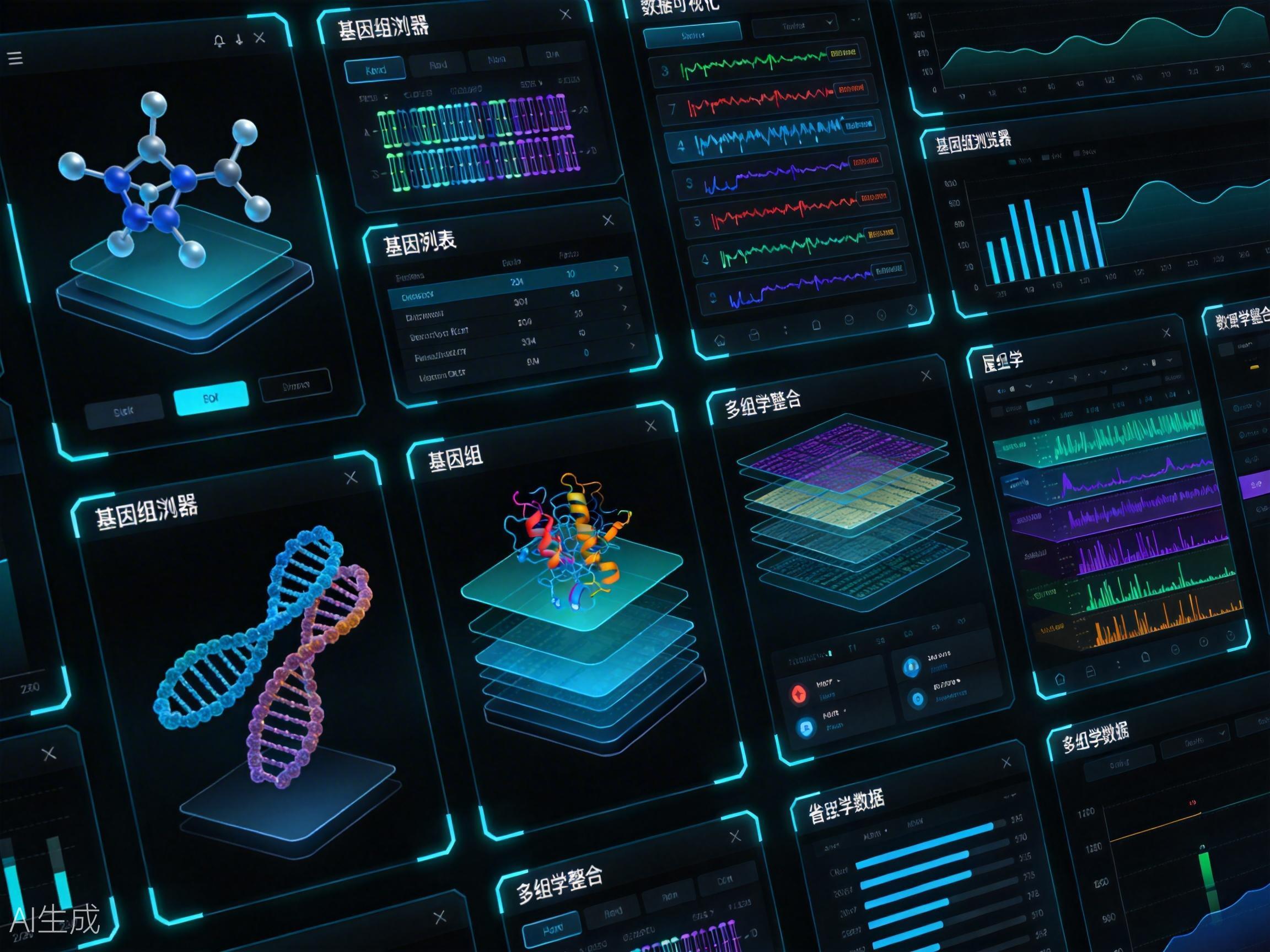
Integrating multi-omics data analysis with AI-driven drug discovery to provide comprehensive support across the biomedical R&D spectrum
IntegrationGenomics、Transcriptomics、Proteomics、Metabolomics和Spatial OmicsData,Providing comprehensive data analysis perspectives
Integrating 14+ mainstream bioinformatics tools with unified API interfaces and user experience, streamlining analytical workflows
Based on machine learning and deep learningAI Engine,SupportMulti-omicsData analysis and drug discovery
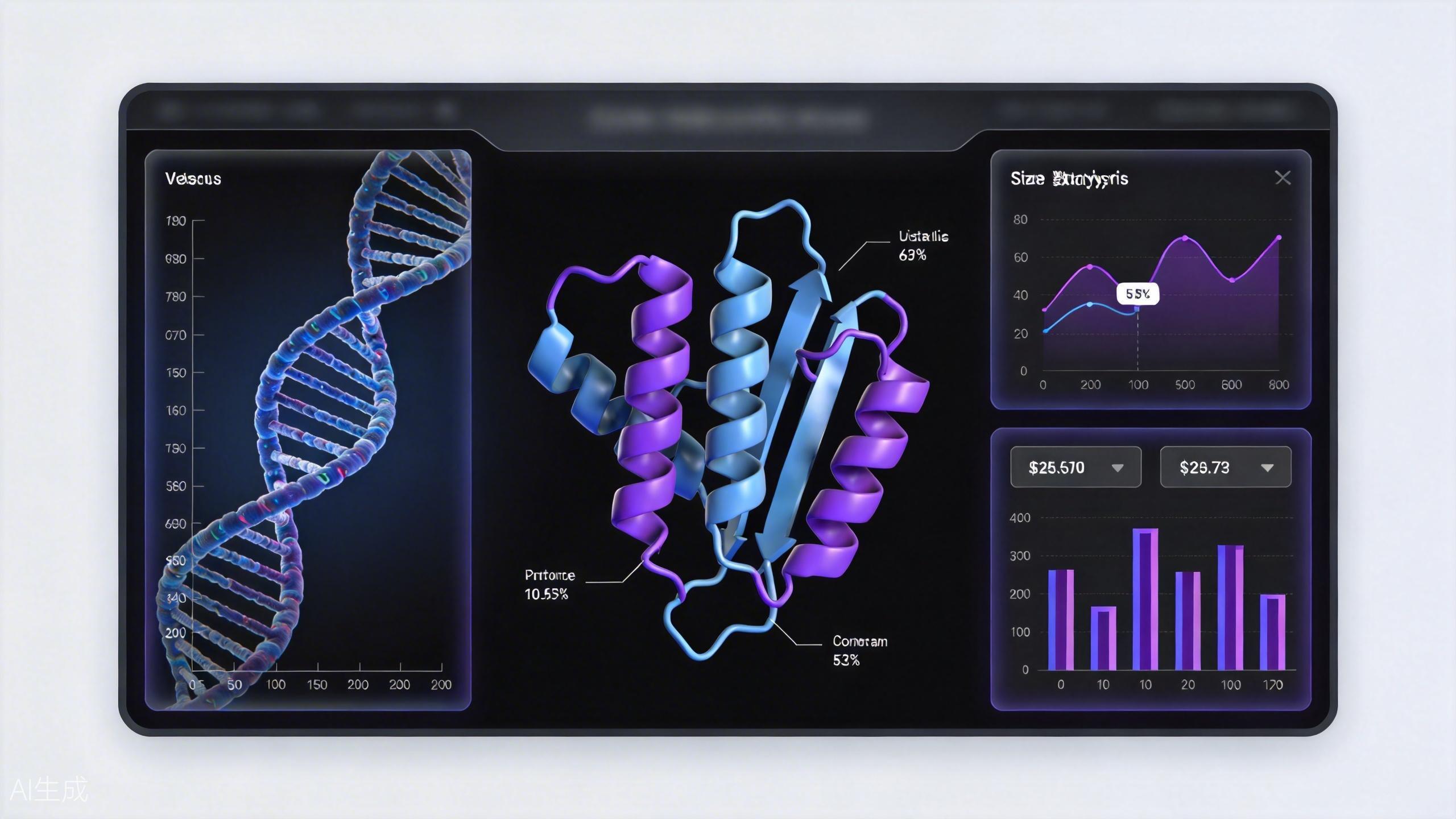
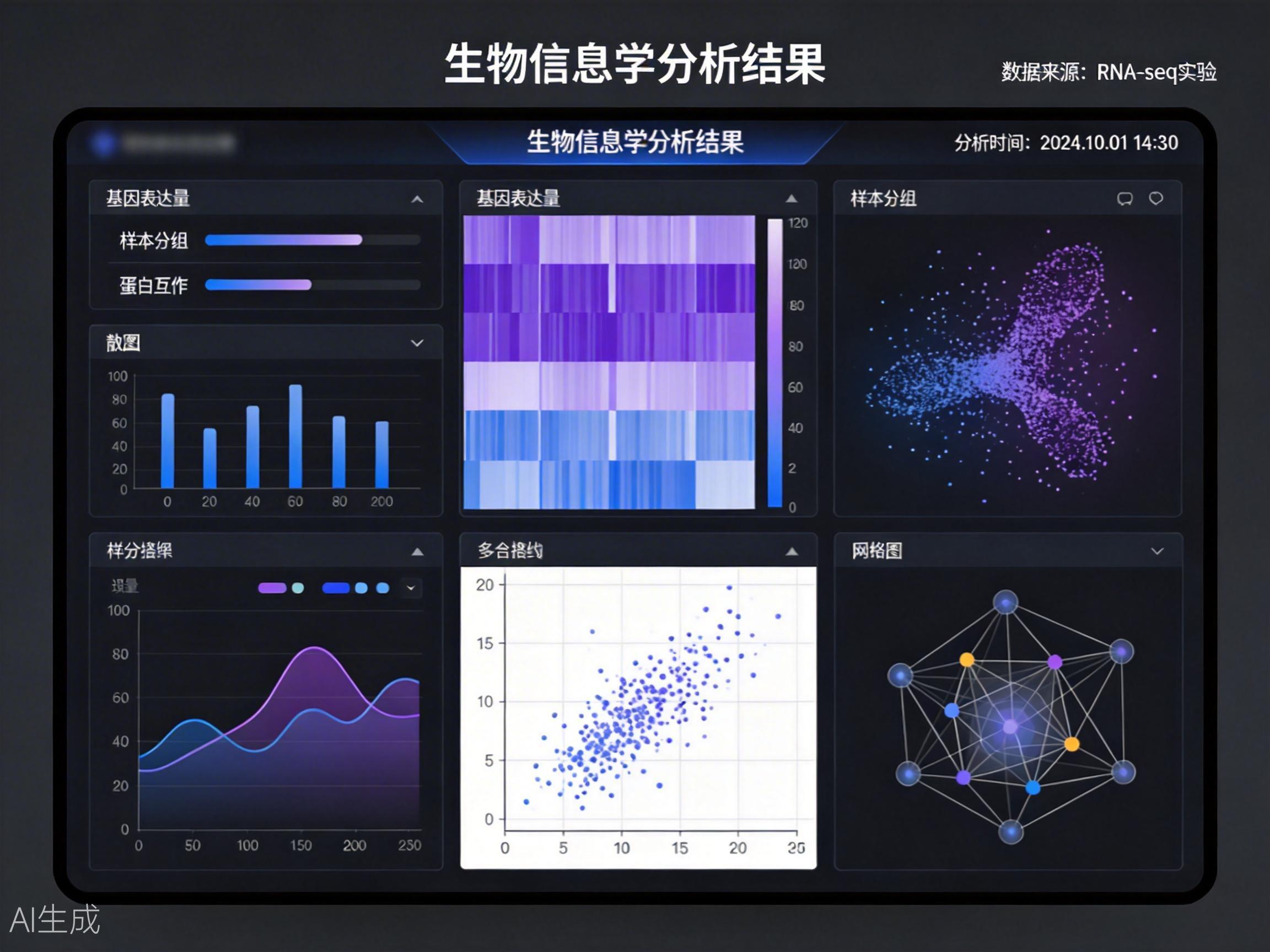
Rich data visualisation and interactive exploration capabilities to illuminate complex biological data
Enabling team collaboration and knowledge sharing to enhance R&D efficiency and result reusability
Microservices-based architecture supporting functional expansion and bespoke development
Our world model technology deeply integrates AI with biomedical domain knowledge, constructing a dynamically learning intelligent system—theMultimodal Life Science World Model。
Integrating authoritative global databases and literature resources
Automatically synchronising latest research findings daily
Significantly enhancing prediction accuracy and reliability
Substantially compressing R&D timelines and reducing costs
Constructing a comprehensive biomedical knowledge graph integrating multi-dimensional entities—genes, proteins, compounds, diseases—and their complex relational networks, providing systematic domain knowledge support for AI
The world model continuously learns from vast research literature, clinical trial data, and real-time monitoring, automatically updating and refining its knowledge base to ensure cutting-edge accuracy
Fusing genomics, transcriptomics, proteomics, metabolomics, imaging omics, and other data modalities to construct a comprehensive biomedical world model delivering more accurate predictions and analyses
Conducting virtual experiments and predictions based on the world model,Significantly improving prediction accuracy, substantially accelerating drug discovery, effectively reducing R&D costs, and enhancing success rates
Universal molecular design world model enabling unified design of multi-form molecules—proteins, nucleic acids, small molecules—significantly improving design efficiency and compressing computational design cycles
Intelligent biomedical knowledge retrieval based on natural language understanding,Rapidly acquiring relevant research findings and data
Assisting researchers in discovering new scientific hypotheses and research directions,Accelerating the scientific discovery process
Predictive analysis based on multimodal data,Predict drug efficacy、Disease risk and treatment response
Optimising experimental design plans,Improving experimental efficiency and success rates,Reduce R&D costs
Based on world model technology,Enabling unified design of multi-form molecules such as proteins, nucleic acids, and small molecules
Explore complex biological data relationships through interactive 3D visualisation
Through 3D visualisation technology, intuitively display complex relationships between genomics, transcriptomics, proteomics, and metabolomics—helping researchers discover novel biomarkers and drug targets.
Natively integrating leading international bioinformatics platforms, seamlessly breaking through multi-omics data barriers
Comprehensive toolkit for spatial transcriptomics data analysis, supporting complete workflows from raw data processing to advanced visualisation
Unified framework for storing and processing spatial biology data, supporting multiple spatial data types and formats
Platform for integrating and analysing multi-omics data, supporting joint analysis of genomics, transcriptomics, proteomics, and metabolomics data
Bioinformatics cloud platform providing rich analysis tools and workflows, supporting one-stop analysis from data upload to result download
Shiny-based interactive multi-omics data analysis and visualisation tools, supporting multiple chart types and data exploration capabilities
R package for multi-omics data integration and analysis, supporting variable selection, classification, prediction, and other analytical functions
Multi-omics factor analysis tool,For extracting shared and specific sources of variation from multiple omics datasets
Tools for analysing associations between genomics and metabolomics data, supporting identification of potential biomarkers and drug targets
Metabolomics data analysis platform supporting metabolite identification, quantitative analysis, pathway analysis, and biomarker discovery
Tools for metabolite source analysis, supporting identification and quantitative analysis of metabolite sources in biological samples
Genomics analysis tools supporting DNA sequencing data processing, gene expression analysis, variant detection, and annotation
Cloud platform for analysing genomics data, supporting gene expression analysis, variant detection, and association analysis
Compounds and Transcripts Bridge—efficient multi-omics data analysis tool integrating 7 correlation coefficient calculations and causal relationship modelling methods, particularly adept at gene-metabolite association mining
Universal molecular design world model,Enabling unified design of multi-form molecules such as proteins, nucleic acids, and small molecules,Design efficiency improved by nearly50times
Machine learning and deep learning-powered AI engine enhancing biomedical industry efficiency
Our AI engine integrates advanced machine learning and deep learning algorithms capable of analysing massive biological data, predicting drug targets, designing novel molecular structures, and optimising clinical trial protocols—comprehensively enhancing biomedical industry efficiency.
Leveraging deep learning algorithms to analyse multi-omics data, predict potential drug targets, and enhance target discovery efficiency and accuracy
Employing machine learning models for virtual screening of large-scale compound libraries, identifying candidate compounds with potential activity
Universal molecular design world model enabling unified design of multi-form molecules—proteins, nucleic acids, small molecules—significantly improving design efficiency
AI-assisted clinical trial protocol design and optimisation, improving clinical trial success rates and efficiency
Through AI-assisted target discovery, virtual screening, and molecular design, significantly compressing drug R&D timelines. Traditional methods require years of R&D processes; AI technology can accomplish them in significantly less time, substantially improving R&D efficiency.
AI models significantly enhance drug R&D success rates through multi-dimensional data analysis and prediction. Through precise prediction and intelligent decision-making, effectively reducing R&D risks and costs, improving project success rates.
Leveraging deep learning algorithms to analyse multi-omics data, accurately predict potential drug targets, significantly improving target discovery accuracy and efficiency
Employing machine learning models for rapid virtual screening of large-scale compound libraries, substantially improving screening efficiency, quickly identifying candidate compounds with potential activity
AI-assisted clinical trial protocol design and patient recruitment optimisation, improving clinical trial success rates and execution efficiency
Carefully designed user interface simplifying complex bioinformatics analysis workflows, improving research efficiency
Our user interface design follows a "user-centred" philosophy—through intuitive layout and interaction, making complex bioinformatics analysis simple and accessible. Whether you are an experienced bioinformatician or a new researcher, you can quickly get up to speed and efficiently complete analysis tasks.
Employing modular design, breaking down complex analysis workflows into simple steps, guiding users through the entire analysis process
RichInteractive Visualisation Tools,Helping users understand complex data relationships and analysis results
Supporting users in customising analysis workflows according to their needs,Improving analysis efficiency and flexibility
Fully responsive design, supporting use across various devices, enabling data analysis anytime, anywhere
Intuitively displaying project progress, data overview, and recent analysis results, helping users quickly understand project status
Centrally managing all data files, supporting data upload, download, preview, and organisation, facilitating data management and sharing
Integrating 12+ bioinformatics tools, providing a unified user interface, simplifying analysis workflows
Providing rich data visualisation tools, supporting interactive data exploration and result presentation
Providing AI model training, prediction, and optimisation functions, supporting custom models and parameters
Supporting team collaboration and knowledge sharing, providing discussion, commenting, and feedback functions
AI-driven biomedical R&D workflow, from basic research to clinical application, fully accelerated
Leveraging AI to analyse multi-omics data, identifying potential drug targets
Performing virtual screening on large-scale compound libraries,Identify potentially active compounds
AI-based molecular design and optimisation, creating novel drug molecules
AI-assisted preclinical research design and optimisation
AI-optimised clinical trial design and patient recruitment
Leveraging AI to analyse multi-omics data, identifying potential drug targets, and validating their efficacy and safety through experiments.
Performing virtual screening on large-scale compound libraries, identifying potentially active compounds, and using AI to design novel molecular structures.
Conducting in vitro and in vivo experiments to evaluate drug efficacy, safety, and pharmacokinetic characteristics.
Designing and conducting clinical trials to evaluate drug safety and efficacy in humans.
After drug launch, continuously monitoring safety and efficacy, collecting real-world data.